New voices, new questions: climate cooling research in Sub-Saharan Africa

Background
Global temperatures continue to rise, and our current emissions trajectory puts humanity at further risk from increasing temperatures and extreme weather events in the coming decades. This has led to a growing scientific interest in climate cooling – approaches that could reduce global temperatures by reflecting a small portion of sunlight back to space.
Climate cooling, also known as Solar Radiation Modification (SRM), is not a substitute for decarbonisation, which remains the only sustainable solution to tackling climate change. It also raises a number of complex scientific, social, and governance questions. In addition, we do not sufficiently understand how different climate cooling scenarios might affect regional climates, extreme weather, food systems and health, or how society might responsibly govern these approaches and the ethical challenges they surface.
Communities across Sub-Saharan Africa are already disproportionately exposed to climate change. Rising temperatures, shifting rainfall and more extreme weather are worsening existing pressures on food systems, health, energy infrastructure and livelihoods.
Climate cooling could also have distinct regional implications. Different scenarios could affect monsoons, precipitation patterns and regional temperatures — interacting with existing changes in our climate in ways that remain poorly understood. Yet research on climate cooling has often been shaped by institutions and perspectives from the Global North.
There is therefore a need to investigate how climate-cooling scenarios could shape outcomes across Sub-Saharan Africa, including food security, human health, displacement, renewable energy and extreme weather.
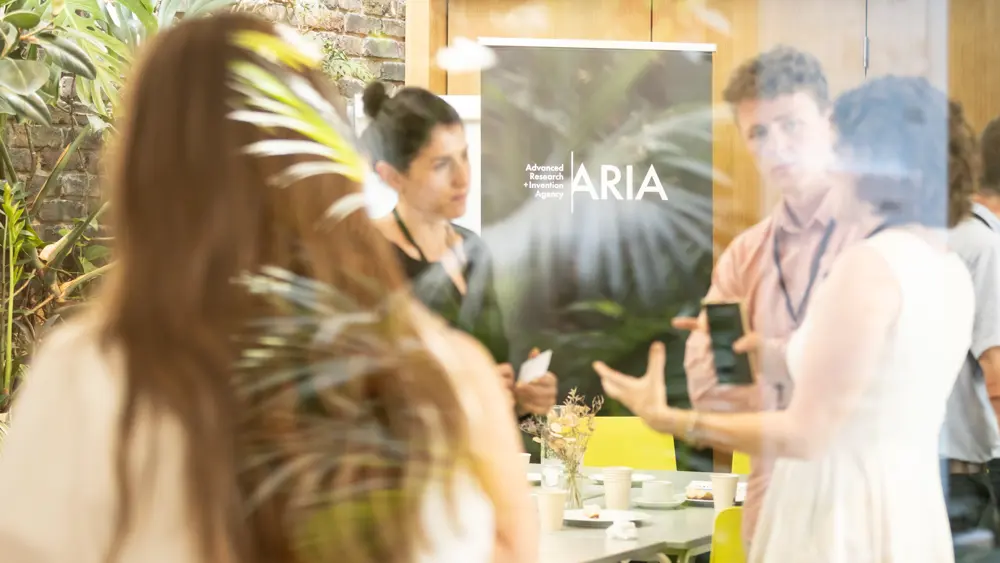
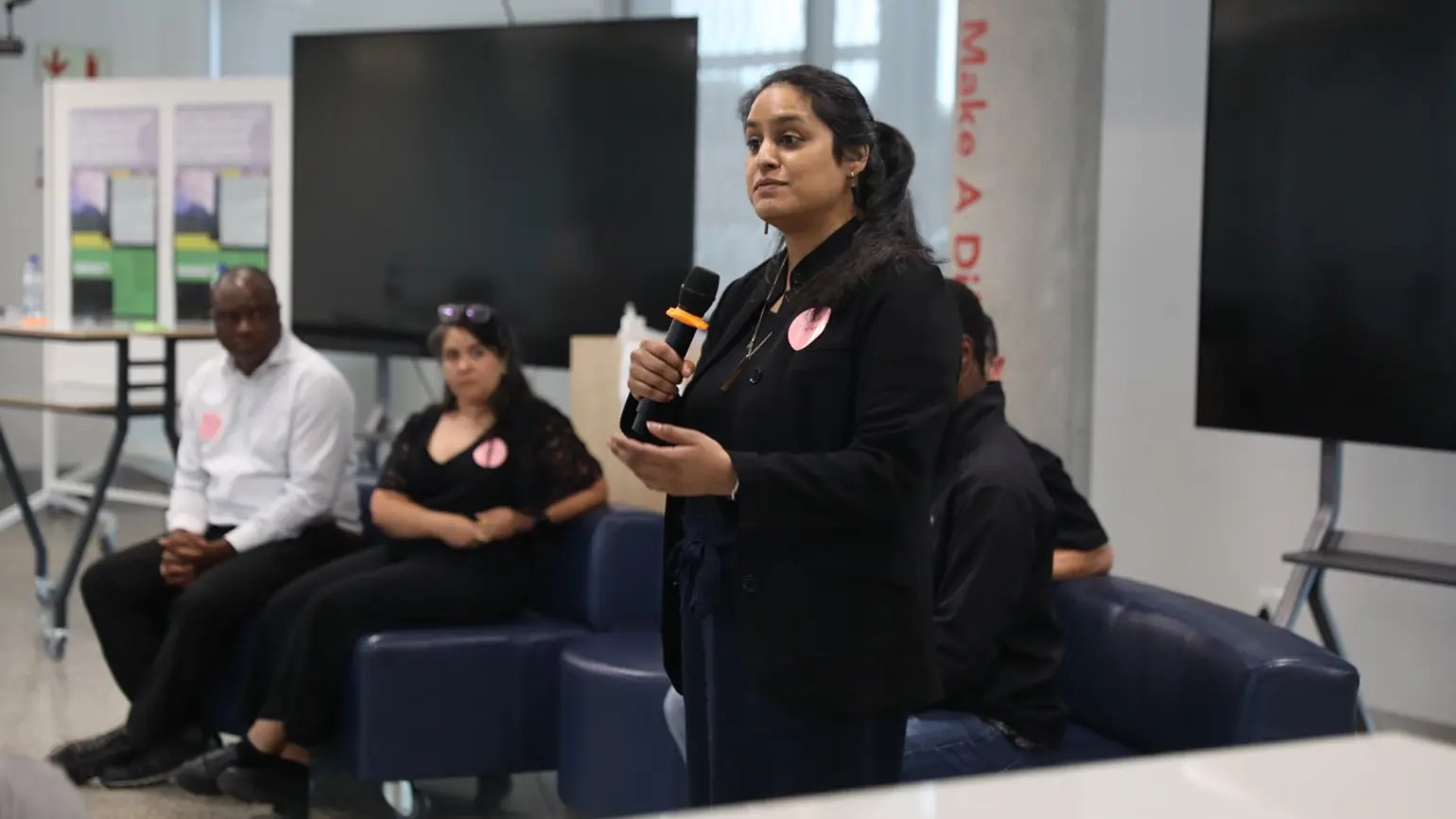
That was the starting point for the Empowering New Voices in Climate Cooling workshop held in April 2026, convened by the Alliance for Just Deliberation on Solar Geoengineering (DSG) and the Climate System Analysis Group at the University of Cape Town, facilitated by the Liminal Space and supported by ARIA.
Bringing together physical and social scientists alongside representatives from civil society organisations across Africa and beyond, the workshop explored key uncertainties surrounding climate cooling and its potential regional impacts.
"While science alone cannot answer the social, ethical, and political questions surrounding SRM, these decisions must be grounded in robust evidence, informed by scientists from around the world asking questions relevant to their own communities."
Matthew HenryUniversity of Exeter
From workshop to research agenda
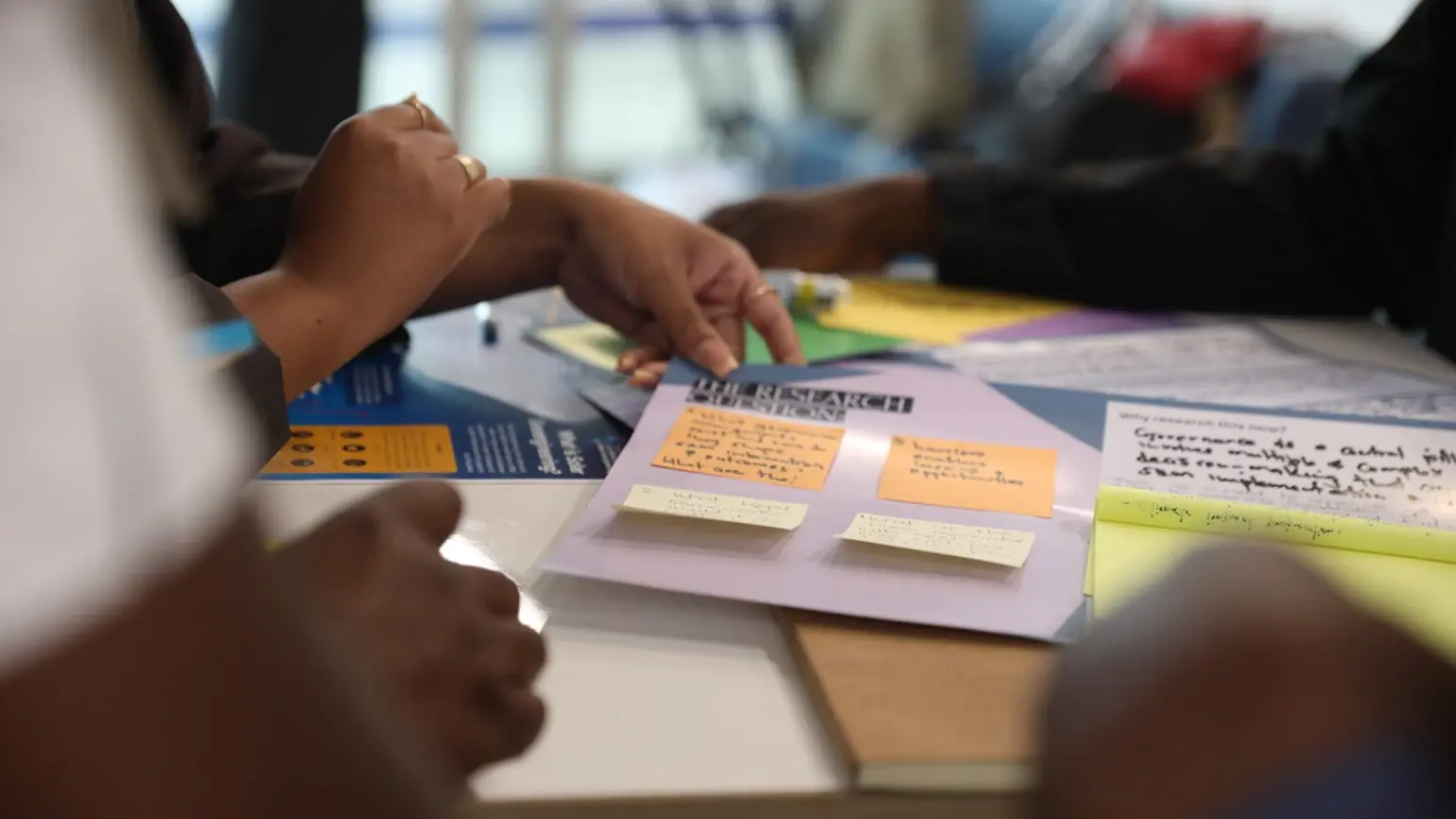
The workshop was designed around a simple premise: bringing different forms of expertise into the same room is only a starting point. For collaboration to be meaningful, the process needs to create the conditions for perspectives to be heard, valued and brought together.
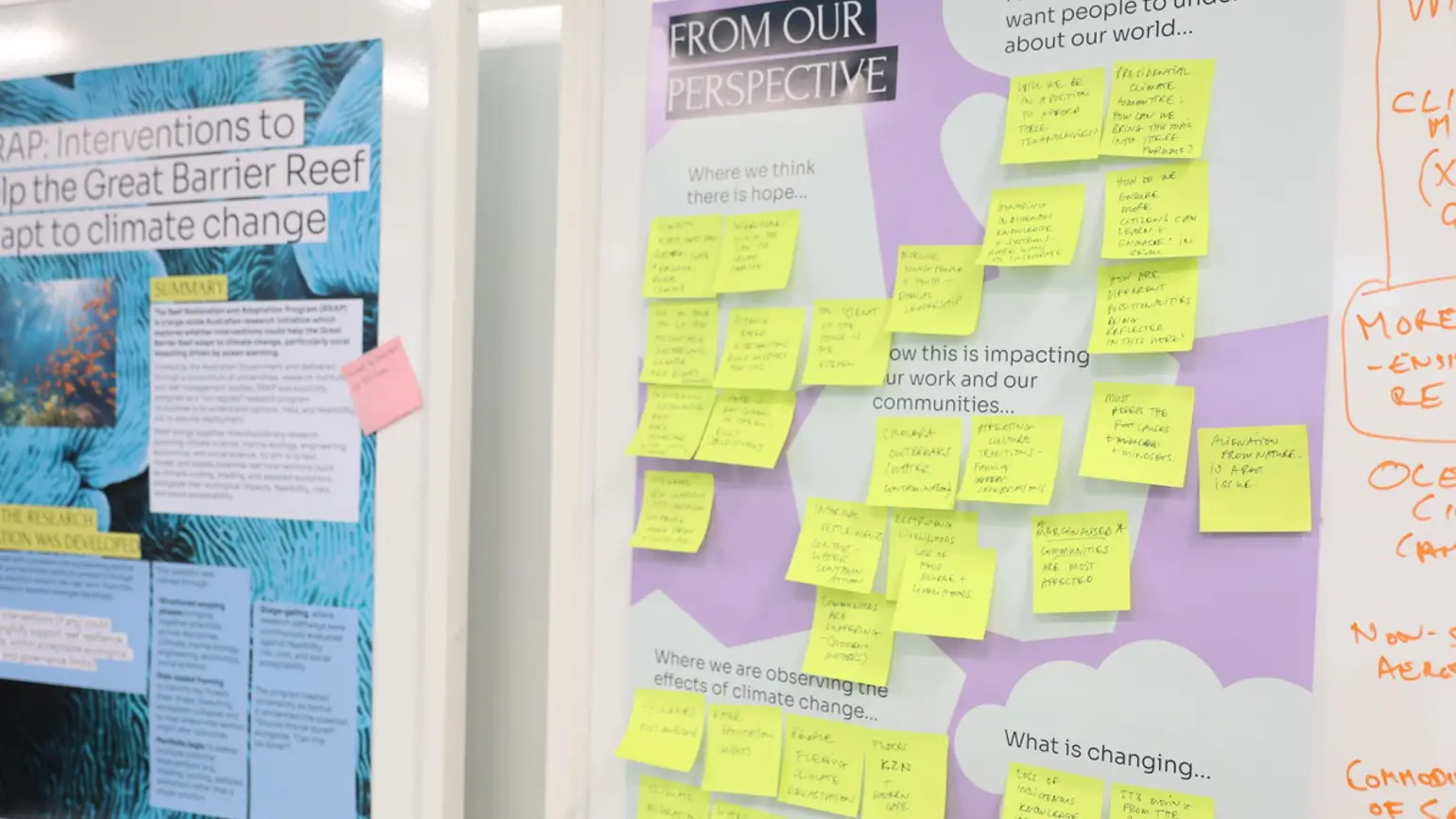
The approach was deliberately participatory: community knowledge and lived experience were treated as essential to defining the research agenda, alongside scientific expertise.
Rather than moving directly to a list of research topics, participants first explored what would make a research question useful, rigorous and relevant. This helped create shared criteria across different perspectives, before mixed groups began to shape the questions themselves.
The resulting priorities included climate displacement and security, renewable energy, extreme weather, food security and agriculture, and human health.
Public engagement in nascent fields is an evolving process that should continue to support and incentivize sustained participation in how a field gets shaped. We were incredibly excited to have an opportunity to test a model of developing a community-based research agenda in SRM.
Shuchi TalatiThe Alliance for Just Deliberation on Solar Geoengineering
Credit: DSG/UCT TV Studio
Funding research shaped by those discussions
The questions developed in Cape Town directly informed an ARIA-funded call for research, delivered in partnership with the University of Exeter.
The funding will support locally grounded research that reflects the priorities, knowledge and experiences of communities across Sub-Saharan Africa, strengthening the evidence available for future scientific, policy and societal discussions.
What's exciting is how bringing scientific expertise and lived experience together on equal terms is reflected in the breadth of the resulting call for proposals: looking beyond the physical science to questions about livelihoods, human rights, governance and the real-world implications for people across Sub-Saharan Africa. It demonstrates what thoughtfully designed collaboration can achieve in complex, emerging fields.
Amanda GoreDirector of the Liminal Space
Credit: DSG/UCT TV Studio
After an extensive review process, ARIA and the University of Exeter have selected three projects to fund (subject to final contract negotiation):
Building Resilience to Extreme Weather Events under Alternative Climate Futures: Harnessing insights on Solar Radiation Modification in Ghana (BRACE-SRM Ghana) Portia Adade Williams, CSIR - Science and Technology Policy Research Institute (CSIR-STEPRI), Accra, Ghana
The project will assess how projected extreme weather under climate change and Solar Radiation Modification (SRM) scenarios may affect vulnerable communities, loss and damage and adaptation governance in Ghana. By integrating climate scenario evidence with social science research, the project will inform equitable, evidence-based decisions to strengthen resilience under alternative climate futures.
Managing Heat Stress under SRM Scenarios in Sub-Saharan Africa (MAHUSA) Babatunde Joseph Abiodun, University of Cape Town, South Africa
This project aims to assess potential impacts of Solar Radiation Modification on heat‑stress risks in Sub‑Saharan Africa using physiological heat stress modelling. The risk framework will integrate hazard, exposure, and vulnerability. Deliverables include hotspot maps, policy briefs, community workshops, and open‑access datasets to strengthen resilience, safeguard public health, and support labour productivity.
Solar Radiation Modification and Renewable Energy Risk in West Africa (SOLARIS) Israel Emmanuel, Federal University of Technology, Akure, Nigeria
This project analyses solar radiation modification (SRM) and controls climate simulations to evaluate the impacts on West Africa's renewable energy resources—solar, wind, and biomass based renewable energy. By comparing SRM ensembles against unperturbed baselines, we quantify regional resource shifts, informing renewable energy planning and climate risk governance in this resource-rich region.
Find out more about the approach to the workshop and this pilot for community based research agenda setting here.