
Funding
We fund teams to pursue research at the edge of the possible. Discover how we fund and how to apply, and learn what happens post-award.
Being funded by ARIA
We back scientists to reach for breakthroughs. To fulfil that ambition, we work differently – because we believe that's what it takes to drive real change.
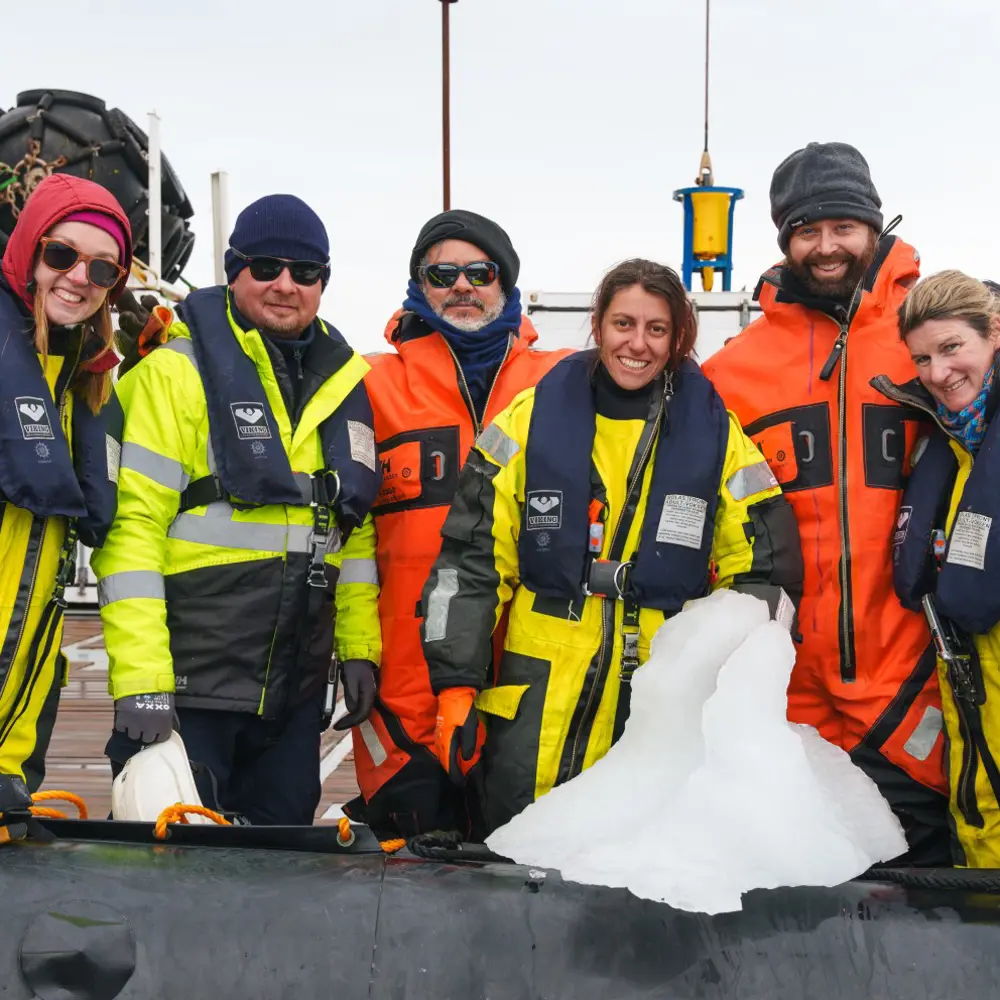
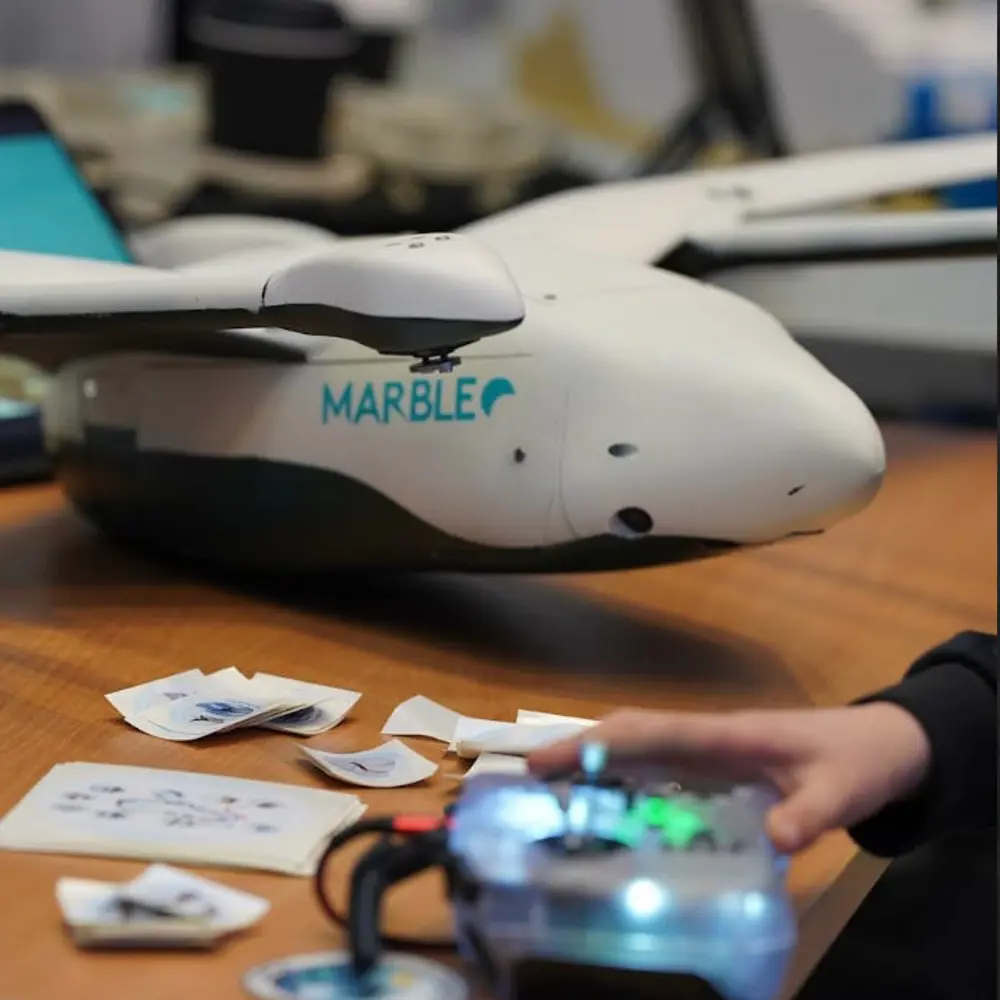
Being an ARIA Creator
R&D Creators (or Creators for short) are individuals and teams who receive ARIA programme or opportunity seed research funding.
As a Creator, you’re responsible for driving the success and direction of your project, as well as its day-to-day progress and management.
Creators work at the edge of what's possible – testing new approaches, building early prototypes, and pushing into territory that other funding models rarely reach. But you won't be doing it alone.
Programme Directors work with Creators to provide guidance and support on individual projects, empowering Creators to advance their goals while maintaining accountability and stepping in for critical decisions when necessary.
What you can expect
Working in a programme...
Joining a programme as a Creator is a significant commitment, with time spent together in workshops and whole programme events. There is regular contact with the Programme Director and reporting throughout the year to deliver on agreed milestones at a fast pace.
Working on an opportunity seed...
To provide maximum freedom, opportunity seeds are designed to be light-touch – while still making sure you’re supported. You’ll meet with the Programme Director or a member of their core team at least quarterly, as well as being invited to join workshops and events.
Project management
ARIA takes a flexible approach to post-award project delivery.
We know that ambitious R&D projects do not all progress in a linear way, so we aim to keep reporting focused on the information that is most useful and outcome driven for both Creators and ARIA.
In practice, all projects involve:
- Regular quarterly progress updates
- Ongoing engagement with your programme team
- Managing project activities, financial reporting and invoices
All ARIA projects are expected to engage with post-award reporting, with requirements proportional to the size, complexity, and purpose of the award. Lower-value or lower-complexity projects will follow a lighter-touch process. For example, you may not be asked to provide a detailed project plan, delivery approach, or risk register, and quarterly updates will focus on key milestones and overall progress.
Larger or more complex projects require more structured planning and review.
As projects evolve, we encourage early discussion with the Programme Team so that any delays, pivots, or contractual changes can be handled constructively.
'Failure' is learning
We are focused on transformative breakthroughs. So we know not every project or experiment will work out the way we expect.
When that happens, we celebrate the ‘failure’ as a learning or pivot. This is reflected in our funding agreement, project reporting and reviews, as well as more generally in our approach.
There are a number of other reasons why we might choose to end an agreement, these include: if a key individual departs without an acceptable replacement, material breaches, reputational damage, or provision of misleading information.
Highlights from our Creators
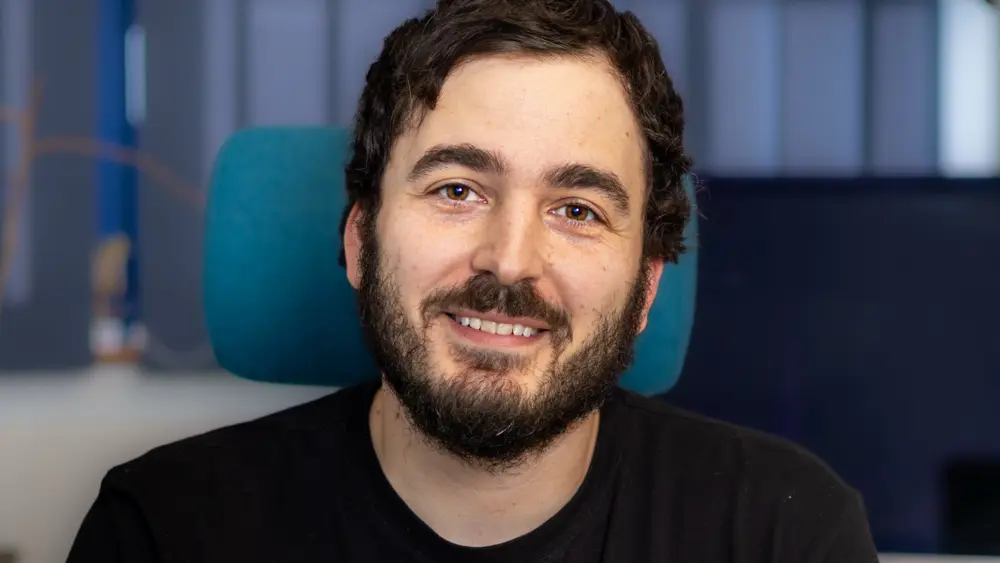
Enhancing plant immunity
Creator Philip Carella on rewiring plants’ immunity to better fight pathogens
Read more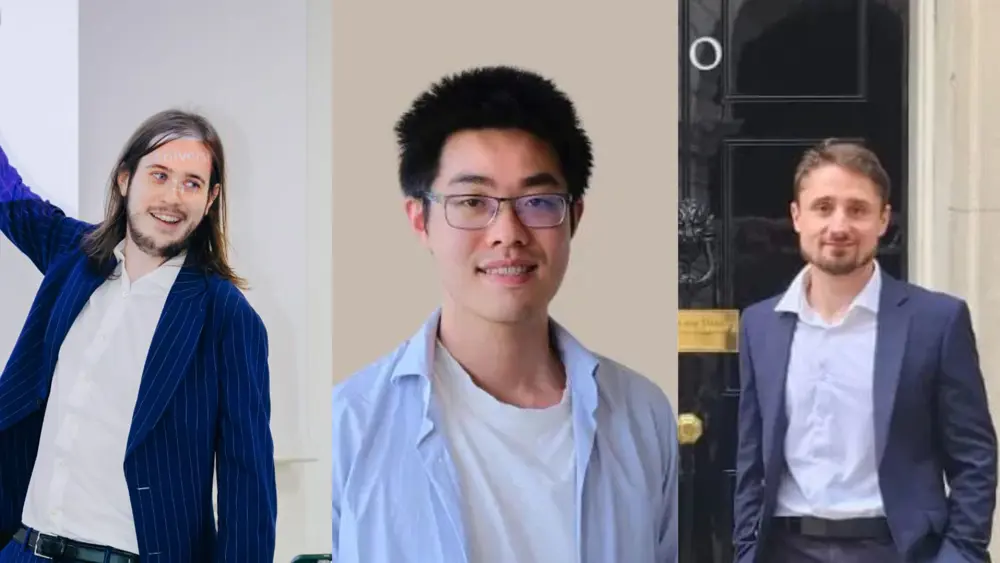
Benchmarking automated mechanism design
Samuele Marro on building trust with LLM agents
Read more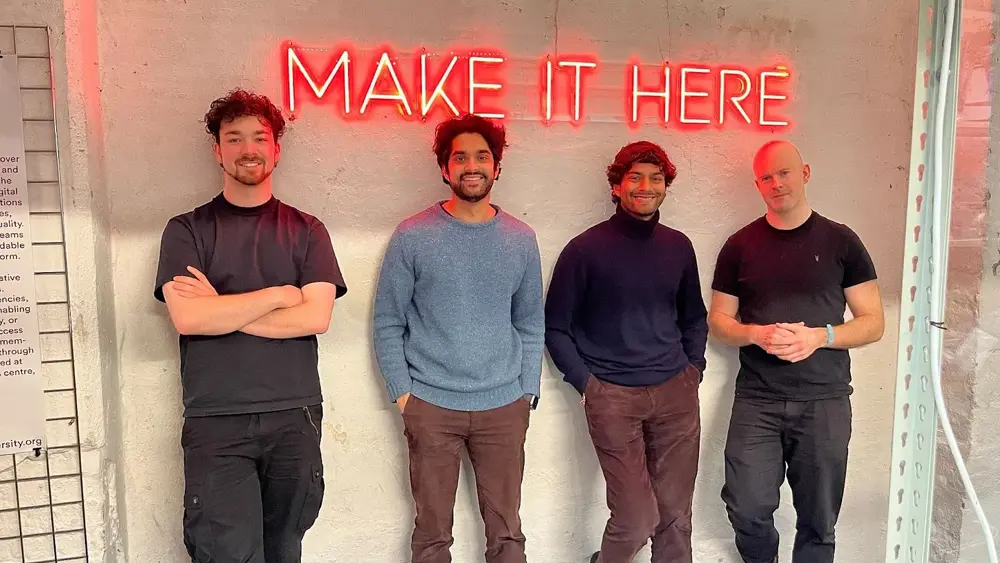
Robot hands with human capabilities
Creator Udayan Bulchandani on his work building bio-inspired robotic hands
Read more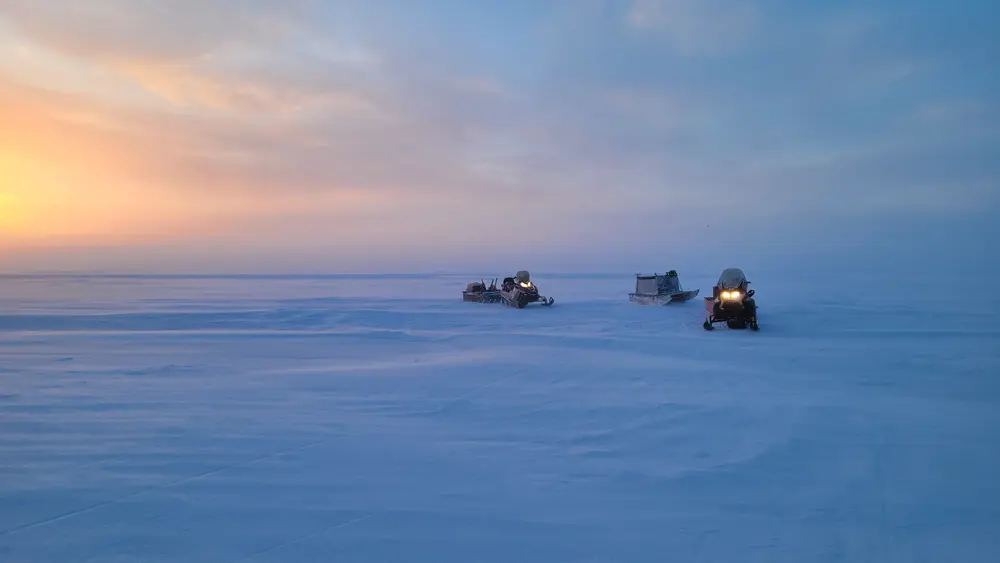
Re-thickening Arctic Sea Ice (RASI): Project update
Mark Symes on how the project will progress in 2026
Read more